
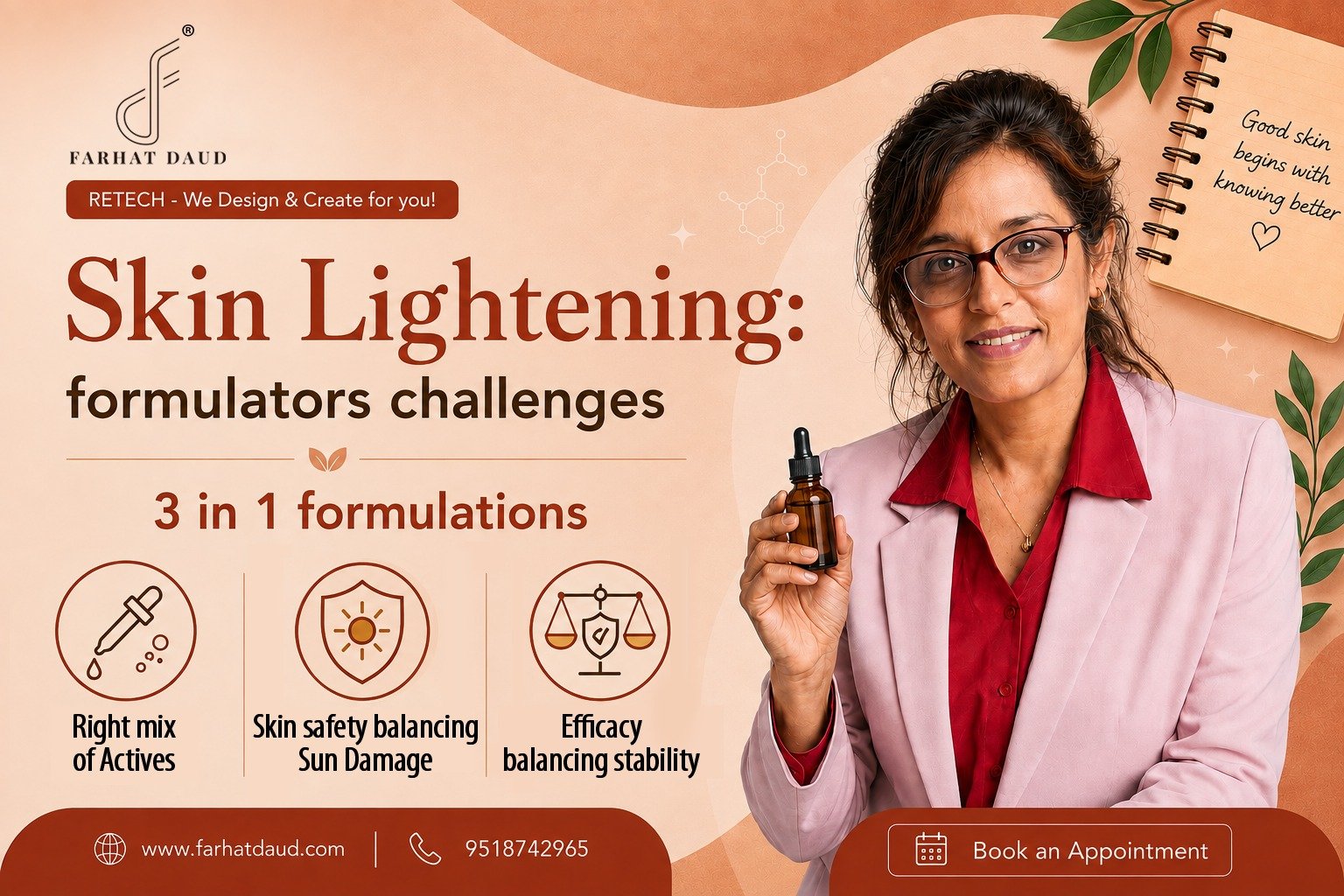
Healthy skin is not defined by how fair it is, but by how even, radiant, and well-maintained it appears. Skin lightening refers to treatments that help reduce excess pigmentation and improve uneven skin tone caused by conditions such as sun damage, acne marks, melasma, hormonal changes, or post-inflammatory hyperpigmentation.
These treatments work by reducing excess melanin production or accelerating the removal of pigmented skin cells. They are not intended to permanently change your natural skin colour, but rather to restore a clearer and more even complexion.
Modern dermatology offers several scientifically backed treatment options, including prescription topical medications, chemical peels, laser treatments, and advanced skincare ingredients. The most suitable treatment depends on the underlying cause of pigmentation and should ideally be recommended by a qualified dermatologist.
Why Do People Choose Skin Lightening Treatments?
Many individuals seek skin lightening treatments to address uneven pigmentation rather than simply becoming fairer. Common concerns include:
- Acne marks and post-inflammatory pigmentation
- Melasma
- Sun spots and age spots
- Freckles
- Hormonal pigmentation
- Uneven skin tone
- Pigmentation around the mouth, neck, underarms, elbows, knees, and other body areas
By targeting excess pigmentation, these treatments help restore a brighter, healthier-looking complexion while reducing the need to rely heavily on concealers or foundation.
Skin Lightening Ingredients: Which One Works Best?
Different ingredients target pigmentation through different mechanisms. The ideal choice depends on your skin type, the cause of pigmentation, and its severity.
| Ingredient | Best For | How It Works |
| Vitamin C | Mild pigmentation, dullness, prevention | Powerful antioxidant that reduces melanin formation while protecting against sun damage. |
| Niacinamide | Uneven skin tone, sensitive skin | Reduces pigment transfer and strengthens the skin barrier. |
| Alpha Arbutin | Early pigmentation, maintenance | Gently inhibits melanin production with minimal irritation. |
| Kojic Acid | Sun spots, acne marks | Blocks tyrosinase, the enzyme responsible for melanin production. |
| Azelaic Acid | Acne with pigmentation, melasma | Treats acne while reducing pigmentation and inflammation. |
| Retinol / Retinoids | Photoaging and pigmentation | Speeds up skin cell turnover, improving discoloration over time. |
| Tranexamic Acid | Melasma | Helps reduce stubborn pigmentation, especially when combined with other treatments. |
| Hydroquinone | Resistant pigmentation | Prescription-only ingredient used under dermatologist supervision for limited durations. |
Botanical ingredients such as licorice root extract, mulberry extract, bearberry extract, and other plant-derived brightening agents can also support pigmentation management, especially in maintenance skincare routines.
Skin Lightening & Sun Protection
No skin lightening treatment can provide long-lasting results without proper sun protection.
Ultraviolet (UV) exposure stimulates melanin production, making pigmentation darker and causing it to return even after successful treatment.
To maintain results:
- Apply a broad-spectrum sunscreen (SPF 30 or higher) every day.
- Reapply sunscreen every 2–3 hours when outdoors.
- Wear hats, sunglasses, or seek shade during peak sunlight hours.
- Avoid excessive sun exposure, especially after chemical peels or laser procedures.
- Continue using dermatologist-recommended skincare consistently.
Sun protection is the single most important step in preventing pigmentation from recurring.
Reducing Acne Marks, Spots & Scars
Acne often leaves behind dark marks known as post-inflammatory hyperpigmentation (PIH). These marks may persist for weeks or even months after the acne itself has healed.
Skin lightening treatments can significantly improve these stubborn spots by gradually reducing excess pigment and encouraging healthy skin renewal.
Depending on the severity of pigmentation, your dermatologist may recommend:
- Medical-grade topical creams
- Chemical peels
- Microneedling
- Laser treatments
- Combination therapies for faster and more effective results
Early treatment often produces better outcomes and reduces the likelihood of long-term discoloration.
Achieving an Even Skin Tone
Uneven pigmentation can occur in several areas of the body, including the face, neck, underarms, elbows, knees, and around the mouth. Factors such as friction, hormonal changes, sun exposure, inflammation, and certain medical conditions may contribute to these darker areas.
Rather than focusing on making the skin “fairer,” modern dermatology aims to restore a healthy, even skin tone while preserving your natural complexion.
A personalised treatment plan may include:
- Medical skincare products
- Prescription depigmenting agents
- Chemical peels
- Laser therapies
- Lifestyle modifications and strict sun protection
With consistent treatment and proper skincare, many pigmentation concerns can be significantly improved, helping your skin look clearer, brighter, and more uniform in tone.
